

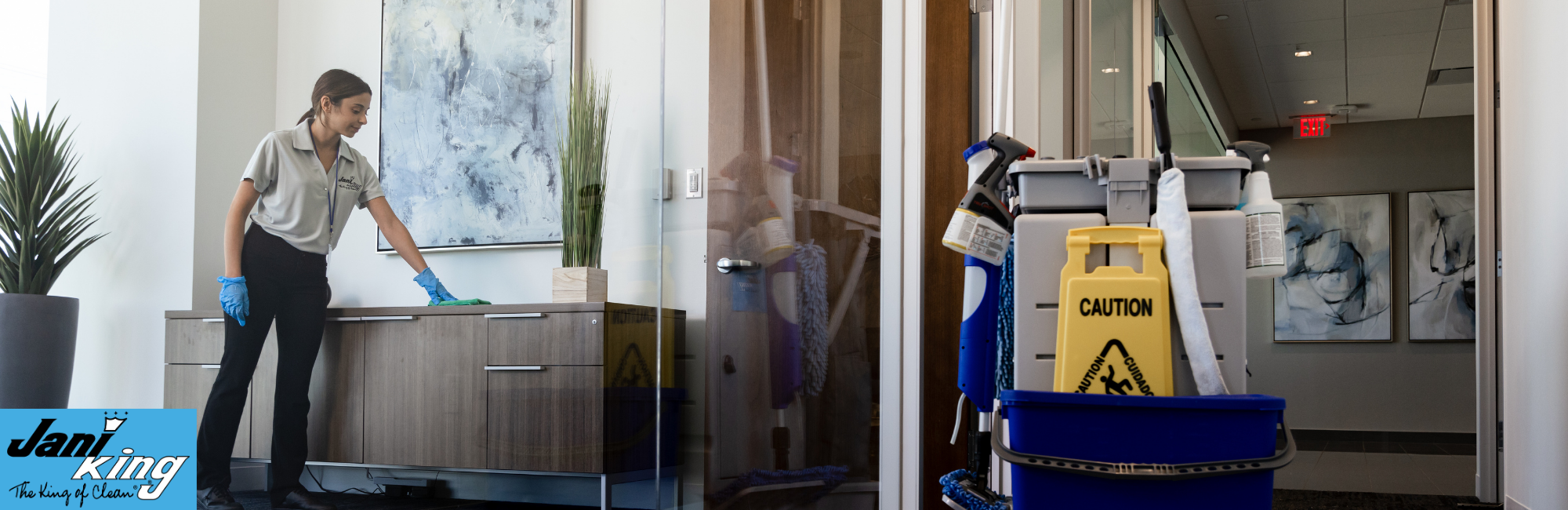
A clean break room does more than just look nice. It protects employee health, supports productivity, and says a lot about how your organization operates. This guide covers everything you need to know about office break room cleaning, from daily routines to deep cleans, so you can reduce germs, control odors, keep pests away, and create a space where people actually want to take a break.
Why Break Room Cleanliness Matters
Break rooms combine high-touch surfaces with food handling in a tight space, which makes them a prime spot for spreading illness. Without consistent cleaning and disinfection, cold and flu viruses, norovirus, and foodborne bacteria can pass easily from person to person. Staying on top of your breakroom cleaning routine reduces cross-contamination and keeps your team healthier overall.
Beyond health, cleanliness affects morale. A fresh, tidy break room encourages employees to step away from their desks, reset, and come back more focused. On the flip side, sticky counters, overflowing trash cans, and stale smells make people avoid the space altogether, which is a lose-lose for everyone.
There is also a professional angle to consider. Visitors, job candidates, and auditors notice shared spaces. A well-kept break room supports your food-safety policies, reflects your standards, and in regulated environments, helps demonstrate that your organization takes cleanliness documentation seriously.
The Areas That Need the Most Attention
Some spots collect germs faster than others. Microwave buttons, refrigerator handles, coffee machine controls, faucet levers, door pulls, and light switches are touched dozens of times a day by different people. These high-touch surfaces need frequent disinfection, especially during cold and flu season.
Shared appliances are another area that tends to get overlooked. Coffee makers, ice machines, toasters, and communal cutlery can develop mineral scale, biofilm, and built-up food residue over time. Regular descaling, filter changes, and interior cleaning keep equipment running longer and reduce health risks. Utensil caddies that allow air drying help limit moisture buildup between uses.
Food storage and waste zones are where odors and pests tend to originate. Refrigerators, snack cabinets, and trash or compost bins become hotspots when left unmanaged. Clear food labeling, weekly purges, and sealed bin liners go a long way. For odor control, remove bins promptly, use baking soda or charcoal absorbers in the fridge, and disinfect bin interiors on a regular basis.
Daily and Weekly Breakroom Cleaning Checklist
Having a repeatable routine makes office break room cleaning much easier to manage consistently. Here is what a solid schedule looks like for a midsize break room. Adjust based on how busy your space is.
Daily tasks (roughly 20 to 35 minutes):
- Remove trash and recycling before bins get two-thirds full; replace liners and wipe bin lids and rims
- Wipe and sanitize counters, tables, chair backs, and appliance handles using an EPA-registered disinfectant with proper dwell time
- Spot clean microwave exteriors, coffee machine touch points, refrigerator handles, and faucet levers
- Check floors for crumbs and spills; sweep and spot mop as needed
- Restock paper towels, hand soap, dish soap, and sanitizing wipes
Weekly deep-clean tasks (roughly 45 to 75 minutes):
- Refrigerator: remove expired food, wipe shelves and gaskets with a food-safe cleaner, and replace odor absorbers
- Microwave and toaster oven interiors: clean with a degreaser or steam cleaner and rinse thoroughly
- Coffee and tea equipment: descale, clean drip trays, and replace water filters per manufacturer guidance
- Floors and upholstery: vacuum, mop, and spot treat fabric chairs; scrub grout as needed
- Cabinets and backsplashes: dust, wipe, and disinfect high-touch edges and knobs
- At a minimum, high-touch surfaces should be disinfected one to three times daily, trash removed daily, and the refrigerator purged and wiped weekly with a deeper clean monthly in busier spaces.
Deep Cleaning Protocols
Daily routines handle surface-level upkeep, but deeper cleaning tackles what builds up over time. Plan quarterly or monthly deep cleans for high-occupancy spaces, and schedule them after illness outbreaks, events, or major spills. A thorough deep clean should include steam cleaning appliance interiors and soft surfaces, scrubbing grout and tile, disinfecting nearby vents and returns, and cleaning behind and beneath appliances.
When it comes to products, use EPA-registered disinfectants that work against common pathogens. For food-contact surfaces, choose food-safe sanitizers at the correct dilution, and rinse if the label requires it. Always follow dwell times, wear appropriate PPE, and keep the space ventilated. Never mix chemicals such as bleach and ammonia. Color-coded microfiber cloths and tools help prevent cross-contamination between food areas and restrooms.
To verify your cleaning is actually working, use a checklist that covers all touch points and consider periodic ATP or fluorescent marker audits. Keeping records of schedules, products, and filter changes supports compliance and helps maintain consistency across shifts and locations.
Building a Maintenance Plan That Works for Your Office
Every break room is different. Think about your square footage, daily foot traffic, whether people are just grabbing snacks or cooking full meals, and how many appliances are in use. Larger or food-heavy spaces need more frequent disinfection and bin removal. If your office runs multiple shifts, add interim wipe downs throughout the day.
Clear responsibility matters too. Encourage simple in-house habits: wipe spills right away, label and date food, and remove personal items from the fridge weekly. Pair those habits with a professional cleaning schedule that covers daily disinfection, weekly appliance cleaning, and periodic deep cleans. Post a breakroom cleaning checklist near the sink or
fridge so expectations are visible and include a link to your full office break room cleaning checklist in your employee portal.
When to Bring in Professional Help
A trained commercial cleaning team brings consistency, documented protocols, and the right equipment for tasks that go beyond what in-house staff typically handle. Steam cleaners for grout, food-safe sanitizers for shared appliances, and flexible scheduling for early mornings or evenings without disrupting the workday are all part of what a good provider offers.
Looking for a provider with industry certifications, background-checked staff, and training on food-safe products? Contact Jani-King, Jani-King is a strong partner that will also provide regular reporting and touch-point audits, so you always know standards are being met.